



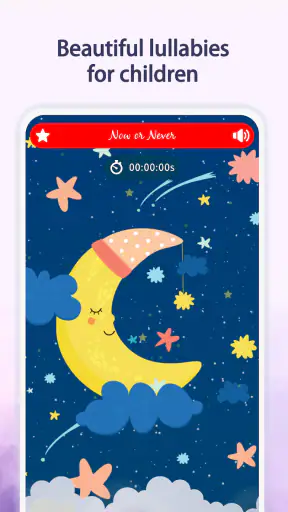

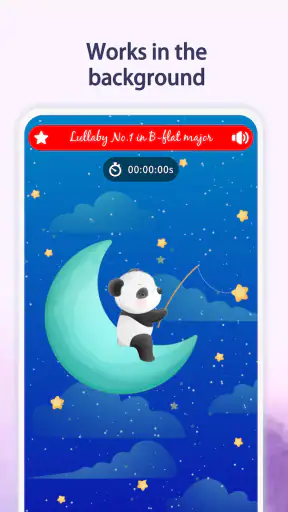
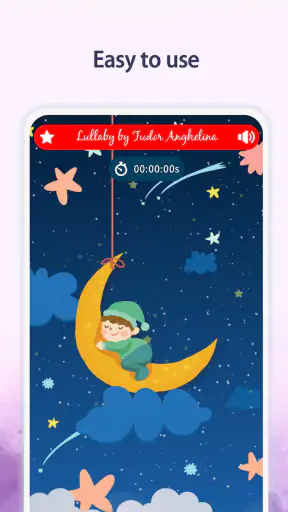


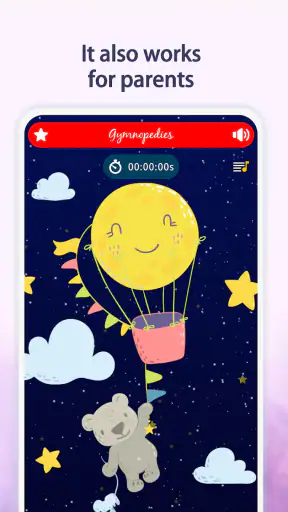
When a baby is overtired, the difference between a calm bedtime and a long evening can come down to something as simple as a steady sound in the background. I tried Lullabies: Baby Sleep Music with that practical situation in mind, and I found it most useful as a focused bedtime companion rather than a complete sleep-training system. It is a free parenting app from Dream_Studio, built around gentle lullabies and sleep music for babies and young children.
My first impression was that the app understands its job well: it keeps the experience centered on soothing audio instead of surrounding bedtime with unnecessary distractions. That simplicity is its main appeal. Parents who want a quick way to create a familiar nighttime atmosphere may appreciate it, while anyone expecting detailed sleep tracking, developmental guidance, or a full routine planner will probably find it limited.
The app has been available since July 5, 2016, and its current version is 13.7. That long presence gives it a more established feel than a brand-new utility, while the current version is the one I would judge for everyday use. It is rated for Everyone, works from Android 7.0 onward, and has passed one million installs. Those details make it accessible to many older phones still used as dedicated nursery or household devices.
How the current version fits into a real bedtime routine
A simple tool for the difficult part of the evening
I found the best way to use this app was to prepare it before the baby was already crying. Opening it a few minutes before the bedtime routine, choosing a suitable lullaby, and placing the phone safely away from the crib made the transition feel more deliberate. The music did not magically make every night easy, but it gave the room a consistent audio cue that could become associated with winding down.
A realistic use case is a parent trying to settle a child after feeding and changing. Instead of searching through a general music service while holding the baby, I could use a dedicated lullaby app and leave it running quietly. That removes one small decision from an already tiring routine. It is particularly convenient when the same device is not being used for calls, messages, or other entertainment at the same time.
The strongest benefit is predictability. General streaming platforms offer enormous libraries, but they also bring interruptions, unrelated recommendations, and a temptation to keep browsing. A parenting-focused app narrows the choice to the kind of sound I actually want at bedtime. For a tired parent, fewer choices can be more helpful than a larger catalog.
What it does well for babies and parents
The app’s appeal is not that it replaces a parent’s presence. Its value is that it supports a calm environment when the adult is already doing the important work of comforting the child. I would use it during rocking, quiet play before sleep, or the final minutes of a bedtime story. The music can also help maintain a peaceful atmosphere when a baby wakes briefly and needs reassurance rather than a full restart of the routine.
There is another useful scenario for families with more than one caregiver. A consistent selection of music can make bedtime feel familiar even when different adults take turns. That does not guarantee that a child will settle equally quickly for everyone, but it gives each caregiver the same basic audio backdrop. In my view, this is more valuable than treating the app as a standalone sleep solution.
Because the app is free to download, it is easy to test without committing money first. The age rating of Everyone also makes its intended audience clear, although parents should still supervise the physical setup of the phone and control the volume themselves. A child-safe rating does not mean a phone belongs within reach of a crib.
Small workflow changes that make a difference
One of my most useful adjustments was separating the app from the active bedtime interaction. I would start the music, lower the volume, lock the screen if appropriate, and then put the device on a stable surface well away from the sleeping area. This avoids the bright screen becoming part of the routine and reduces the chance that a notification or accidental touch changes the atmosphere.
I also recommend choosing a sound before the child is placed down. Switching tracks repeatedly can turn a soothing moment into a technical task, especially if the baby is already unsettled. The better workflow is to decide whether the evening calls for a shorter calming session or a longer background track, then leave the selection alone unless it is clearly not working.
A less obvious trade-off is that familiar music may help one child while irritating another. Some babies respond better to a repeating melody, while others settle more easily with silence or a neutral background sound. I would test the app during a calm daytime nap routine first, rather than introducing it for the first time during an exhausted late-night struggle.
How it compares with common alternatives
Compared with playing lullabies from a general video platform, this app feels more purpose-built for parents who want fewer distractions. Video services may provide more variety, but they can introduce visual stimulation, advertisements, autoplay surprises, or unrelated content. Those services are better when I want a broad selection and already have a carefully controlled setup; this app is better when I want a straightforward bedtime sound source.
Compared with music streaming subscriptions, the choice is similar. A subscription service may offer playlists, offline listening, stronger discovery tools, and more control over artists or albums. That flexibility is useful for adults who want to build a highly specific routine. On the other hand, it can be excessive for a parent who only needs calming baby music and does not want to manage a large library.
Compared with a dedicated white-noise machine, the app has the advantage of portability and easy experimentation with musical sounds. A physical device may be preferable for families who want to keep phones out of the nursery, avoid battery concerns, or maintain a fixed setup. I would choose the app for travel, visits to relatives, or occasional use, and a dedicated device for a permanent nightly arrangement.
What the version history means for existing users
The move through versions to 13.7 suggests an app that has continued to receive development rather than remaining frozen after its original release. For someone who has used it for years, the important point is that the current experience should be judged on this version rather than on memories of an older interface or older device behavior. Existing users may benefit from keeping the app updated when their phone supports it, especially if they rely on it regularly.
At the same time, a version number by itself does not tell me that the app has become a complete modern parenting platform. Its core identity remains focused: lullabies and baby sleep music. I would not install it expecting the kind of detailed progress tools found in dedicated baby-tracking or sleep-coaching products. The evolution appears most relevant to stability and continued compatibility, not to a change in the app’s basic purpose.
That distinction matters for families already comfortable with it. If the current routine works, there is no reason to complicate bedtime by constantly searching for new tools. The app’s strength is its narrow focus. New users should understand that this is a sound-based aid, while returning users should see the newer version as an opportunity to keep that simple routine available on current devices.
Where the experience still has limits
The biggest limitation is that music alone cannot solve every reason a baby is awake. Hunger, discomfort, illness, temperature, teething, overstimulation, and changes in routine all require attention beyond an audio track. I would never use the app as a substitute for checking the child. If the baby remains distressed, the right response is to investigate the cause rather than simply increase the volume or let the music play longer.
Another limitation is personal taste. Lullabies are not universally calming, and a melody that sounds gentle to an adult may become repetitive to a child or tiring for the caregiver. Parents who prefer brown noise, rain sounds, custom recordings, or complete silence may find a general audio tool more suitable. This app makes sense when the family specifically wants musical bedtime cues.
The free model is attractive, but in-app purchases cost $4.99 per item. That means I would pay attention to which parts of the experience are immediately useful before buying anything. A free starting point lowers the barrier to trying it, yet families should still treat optional purchases as a decision based on actual routine value, not on the assumption that paying will automatically improve sleep.
I also think parents should be realistic about phone dependence. Using a phone at bedtime can create its own friction: a low battery, incoming alerts, accidental screen activity, or the temptation to check unrelated apps. The cleanest setup is to prepare the device in advance, use a quiet environment, and keep the phone physically distant from the child. If that arrangement feels inconvenient every night, a standalone audio device may be the better long-term choice.
Who should use it and who should skip it
I would recommend this app to parents who want an uncomplicated source of lullabies, families building a repeatable wind-down routine, and anyone needing a portable option for naps away from home. It is also a sensible first experiment for caregivers who do not want to subscribe to a large music service just to try calming baby audio.
I would skip it if the main goal is sleep analytics, feeding and diaper records, personalized coaching, or a structured child-development program. Those needs belong to different categories of parenting tools. I would also look elsewhere if I specifically wanted non-musical soundscapes, advanced automation, or a screen-free device that can remain permanently in the nursery.
The app’s strong public reception supports its usefulness as a popular choice: it holds a 4.9 average from around 23 thousand ratings, with more than five hundred written reviews. I see that as encouraging, but not as proof that every child will respond to the same music. Sleep preferences are highly individual, so the practical test is whether your own child settles more comfortably with it over several ordinary evenings.
What I would watch before making it part of the routine
If I were deciding whether to keep using it, I would watch three things: whether the child responds positively without needing louder playback, whether the routine remains easy for every caregiver, and whether the phone setup creates more work than it removes. Those checks are more meaningful than simply counting how often the app is opened.
I would also watch how the app fits as the child grows. A baby who enjoys soft melodies may later prefer stories, quiet, or a different bedtime signal. The app can remain useful during that transition, but it should not become a rigid requirement for falling asleep. A healthy routine should be flexible enough to work during travel, power interruptions, or nights when the phone is unavailable.
My final view is positive but measured. Lullabies: Baby Sleep Music is a practical, low-commitment aid for creating a calmer bedtime atmosphere, and its focused design is more helpful than a crowded entertainment platform when I only need gentle audio. Its free entry point, Everyone rating, broad device compatibility, and continued development make it easy to try. Just keep expectations in the right place: it supports soothing, but it does not diagnose sleep problems or replace attentive parenting.
For me, the deciding question is simple: do you want a dedicated source of lullabies that can be started quickly and left in the background? If yes, this app is worth trying. If you need detailed sleep management, custom sound engineering, or a completely separate device in the nursery, another option will serve you better. Used with sensible volume, safe phone placement, and a consistent routine, it can earn a useful place in the quieter part of the evening.


